Vape waste: why household disposal needs special care
Learn why discarded e-cigarettes need separate collection, what to ask a local waste service, and why battery and nicotine waste need attention.
At a glance
- U.S. EPA advises against putting e-cigarettes in household rubbish or recycling.
- Ask a local collection service whether it accepts complete devices and liquid residue.
- Do not assume a sealed battery is safe to remove.
A device can contain more than one kind of waste
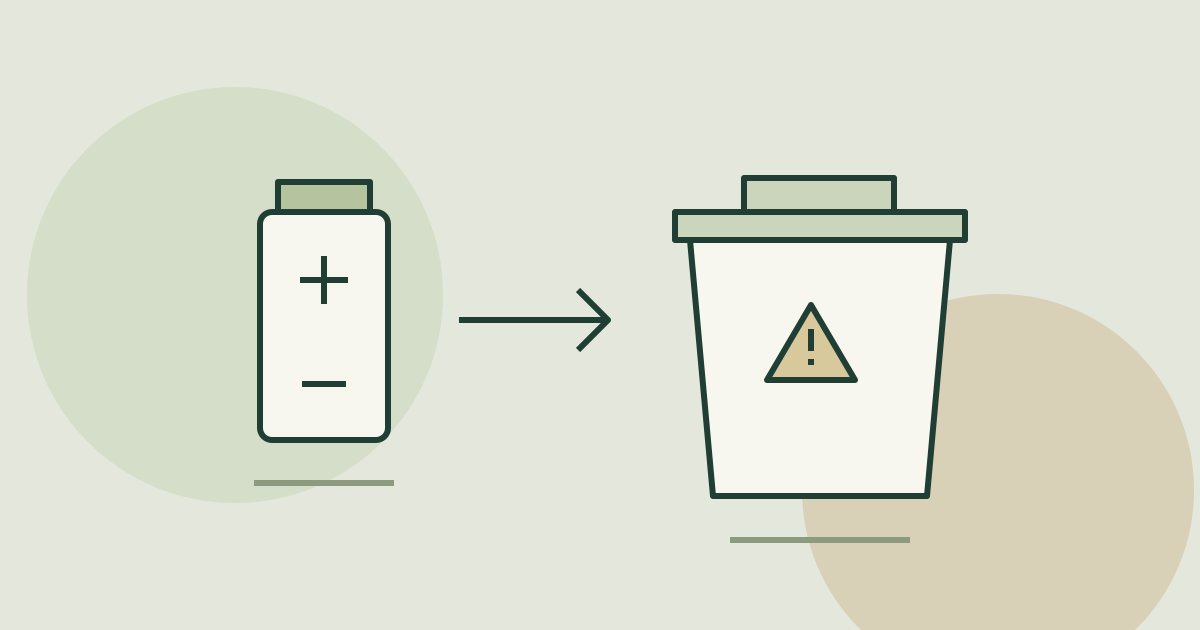
A discarded e-cigarette is not simply an empty plastic container. EPA identifies lithium batteries and nicotine as disposal hazards. It advises U.S. households to take e-cigarettes to household hazardous-waste collection, rather than rubbish or ordinary recycling bins. EPA household guidance.
Why the battery matters
Used lithium-ion batteries may retain energy. Crushing or damage during waste processing can cause fires. EPA notes that some batteries are not removable or serviceable by users. Do not force open a sealed device to retrieve its battery; ask the collection service how to handle the complete item. EPA battery guidance.
Ask before making a trip
The following is our suggested enquiry for a local waste service:
I have an unwanted e-cigarette with a battery and possible liquid residue. Does your collection accept the complete device? What preparation, appointment or quantity limits apply?
Record the service’s answer and date. Confirm the actual destination rather than assuming that every electronics or battery collection point accepts the same items. This checklist helps you obtain local instructions; it does not replace them.
Damaged devices need specific instructions
Tell the service if the device is damaged or leaking before taking it there. EPA recommends seeking specific handling information for damaged lithium-ion batteries from the manufacturer. Do not treat a damaged device as an ordinary drop-off item. EPA handling precautions.
Keep the geographical scope clear
The cited guidance is from the United States. Collection systems and acceptance rules elsewhere can differ. Ask your local waste authority for the route that applies where you live; changing this article’s language does not change its jurisdiction.
This article addresses household waste. Organisations collecting devices in quantity should seek the rules that apply to their own activity.
For names used in collection forms, see our terminology guide.
Sources & further reading
Sources checked:
AI-assisted writing and translation; not clinically reviewed. General information, not personal medical advice. About & editorial standards ↗